Discover how a business continuity plan helps your company stay resilient. Learn key steps, benefits, and best practices for small businesses in this guide.
A business continuity plan is more than just a document—it's your safety net when unexpected problems hit. Whether it's a cyberattack, a power outage, or a natural disaster, having a plan in place can mean the difference between a quick recovery and a long, costly downtime. In this blog, you'll learn what a business continuity plan is, why it's essential for small businesses, and how to create one that fits your needs. We'll cover the key steps, common mistakes, benefits, and best practices, plus answer the most frequently asked questions. Topics like disaster recovery plan, backup, business impact analysis, and a practical checklist are all included to help you prepare for any disruption.
A business continuity plan is a set of instructions and strategies that help your company keep running during and after a disruption. It covers how to protect your people, data, and business functions when something goes wrong. This could be anything from a cyberattack to a flood or even a pandemic.
Small businesses are especially vulnerable because they often have fewer resources to bounce back from a disaster. By preparing a business continuity plan, you make sure your team knows what to do, who to contact, and how to recover quickly. This kind of preparedness builds resilience and keeps your business moving forward, even when things get tough.

A solid business continuity plan doesn't happen by accident. Here are the main steps you should follow to protect your business and keep your operations running smoothly.
Start by listing the business processes that are essential for your company to operate. Think about what would cause the most trouble if it stopped working. This helps you focus your plan on the areas that matter most.
A business impact analysis helps you understand how different types of disruptions could affect your company. It looks at the potential financial and operational impacts, so you can prioritize your recovery efforts.
Once you know your critical functions and their risks, create strategies to recover them quickly. This could include having backup systems, alternate suppliers, or remote work options.
Make sure everyone knows what they need to do during a disaster. Assign clear roles, and keep contact information up to date so there’s no confusion when you need to act fast.
Write down your plan in a way that’s easy to follow. Use a template so you don’t miss any important details, like recovery time targets or supply chain dependencies.
Practice makes perfect. Run tabletop exercises to walk through your plan and spot any gaps. This helps your team feel confident and ready for anything.
Your business changes over time, so your plan should too. Review and update your business continuity plan at least once a year, or whenever you make big changes to your business processes.
Having a business continuity plan in place brings several important advantages:

A disaster recovery plan is a key part of your business continuity plan. While a business continuity plan covers all aspects of keeping your business running, a disaster recovery plan focuses on restoring your IT systems and data after an interruption. This includes steps for restoring backups, recovering from data breaches, and handling cyberattacks.
For small businesses, having both plans in place is critical. The disaster recovery plan ensures your technology is up and running, while the business continuity plan covers everything else, from people to processes. Together, they help you recover faster and limit the impact of any disaster.
Even the best intentions can lead to mistakes. Here are some common pitfalls to watch out for and how to avoid them.
Some businesses only plan for the obvious risks, like fire or flood, and forget about less visible threats like ransomware attacks or supply chain interruptions. Make sure your plan covers all possible risks, including cyber and power outage scenarios.
A business continuity plan is not a one-time project. If you don’t update it regularly, it can quickly become outdated and useless. Schedule regular reviews and updates to keep your plan current.
Many companies forget to consider dependencies, like key suppliers or critical IT systems. If one part fails, it can cause a chain reaction. Map out all dependencies to avoid surprises during a disruption.
If you never test your plan, you won’t know if it works. Tabletop exercises and real-life drills help you find weaknesses and train your team for real emergencies.
During a crisis, clear communication is essential. Make sure your plan includes up-to-date contact information and clear instructions for reaching employees, customers, and partners.
Without reliable backup systems, you risk losing important data during a disaster. Include regular backups and test your recovery process to make sure you can restore what you need.
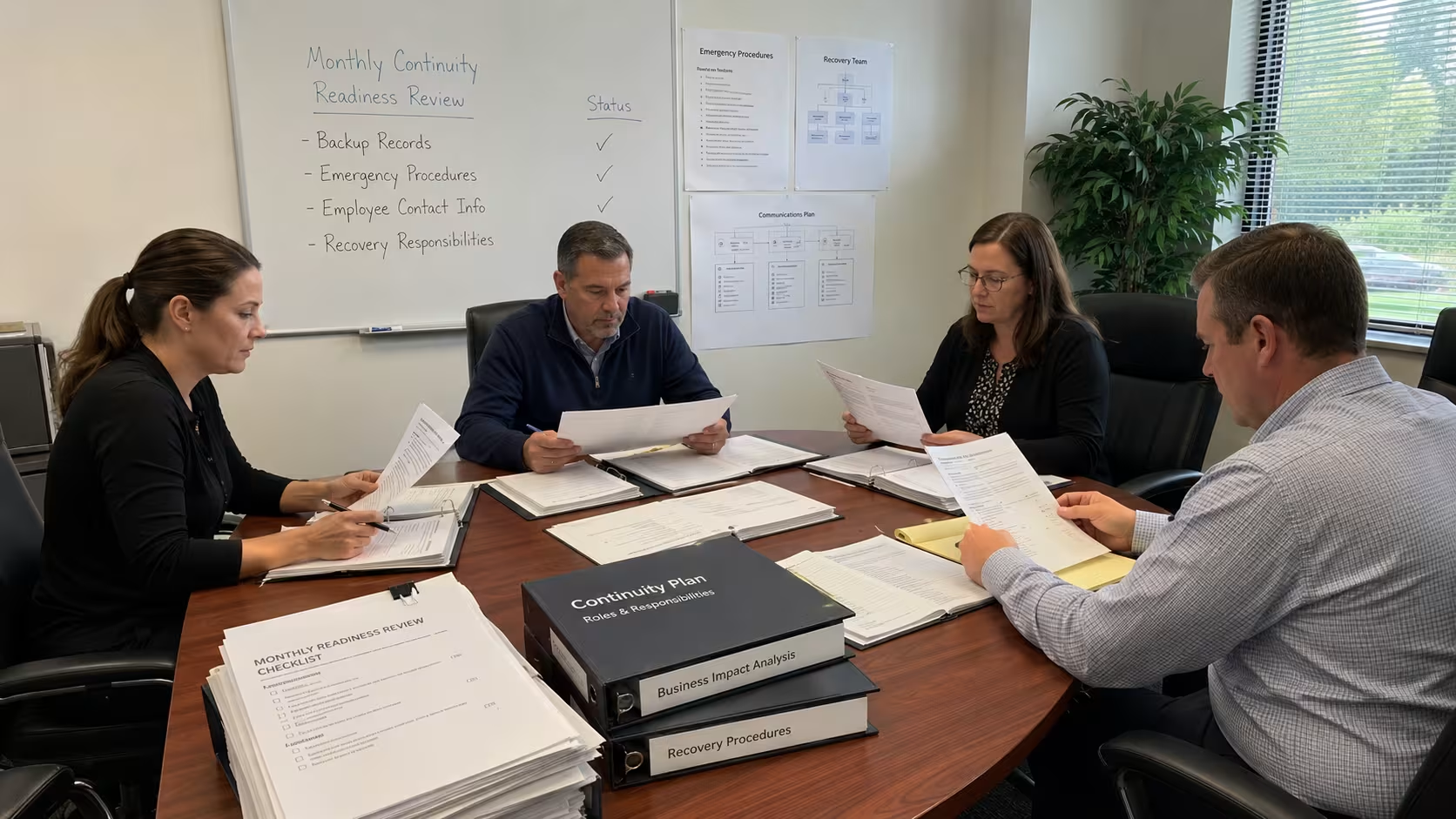
Putting your business continuity plan into action takes careful planning and teamwork. Here are some best practices to help you succeed:

Are you a business with 15-70 employees looking to protect your operations and keep your team safe? Growing businesses face unique challenges, especially when it comes to staying prepared for disruptions or disasters.
We understand the risks you face and have the experience to help you create a business continuity plan that fits your needs. Our team can guide you through every step, from business impact analysis to disaster recovery planning. If you want to make sure your business is ready for anything, contact us today.
A business continuity plan helps your company keep running during any disruption, while a disaster recovery plan focuses on restoring IT systems and data. Both are important for resilience and minimizing downtime. Having both plans means you’re prepared for everything from a natural disaster to a cyberattack.
Small businesses should review and update their continuity plans at least once a year, or after any major change. This keeps your preparedness strong and ensures your checklist, backup, and recovery strategies stay current with your business needs.
A business impact analysis helps you understand which business functions are most critical and what could happen if they’re interrupted. This step is key for developing effective business continuity strategies and setting realistic recovery time goals.
Start by identifying your critical business processes and potential threats, like cyberattacks or supply chain issues. Then, use a template to document your plan, including contact information and clear steps for each type of interruption.
Tabletop exercises let your team practice the plan in a safe setting. By walking through scenarios like a power outage or data breach, you can spot gaps and improve your preparedness before a real disaster hits.
A business continuity plan helps small businesses reduce downtime, protect their reputation, and recover faster from disruptions. It also supports compliance with industry regulations and keeps your business moving forward, even during tough times.
%20(1)_11zon.jpg)
A seasoned IT Computer Network Support professional with nearly 30 years of business ownership experience Chris is the leader and managing partner of Net-I.
Fun Fact: Chris thinks he should have been a comedian, unfortunately few others agree with him.

.svg)